
Every day, thousands of women in India type jewellery questions into Google and get either confusing, conflicting answers or no real answer at all. We compiled the most-searched necklace queries — the ones that show up in ‘People Also Ask’, the ones in search suggestions, and the ones typed at midnight before a big occasion — and answered every single one. Clearly. Honestly. Helpfully.
Necklace Length & Sizing Questions
Q: What necklace length is best for me?
This depends on two things — your body proportions and your neckline. Here’s the shorthand guide:
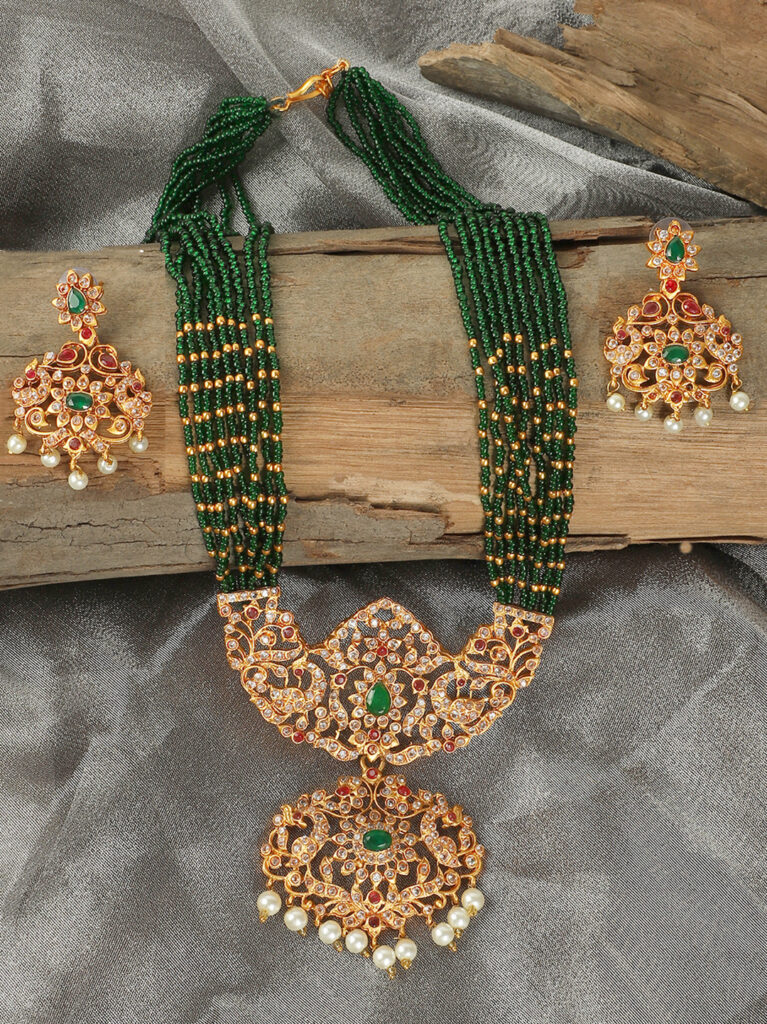
- 14–16 inch (choker/collar): Best for boat neck, off-shoulder, strapless
- 18 inch (princess length): sits just below the collarbone; works on almost every body type and neckline
- 20–22 inch (matinee): Flattering on plus-size bodies; great for V-necks and round necklines
- 24–30 inch (opera/lariat): Ideal for high necks, turtlenecks, or casual layering
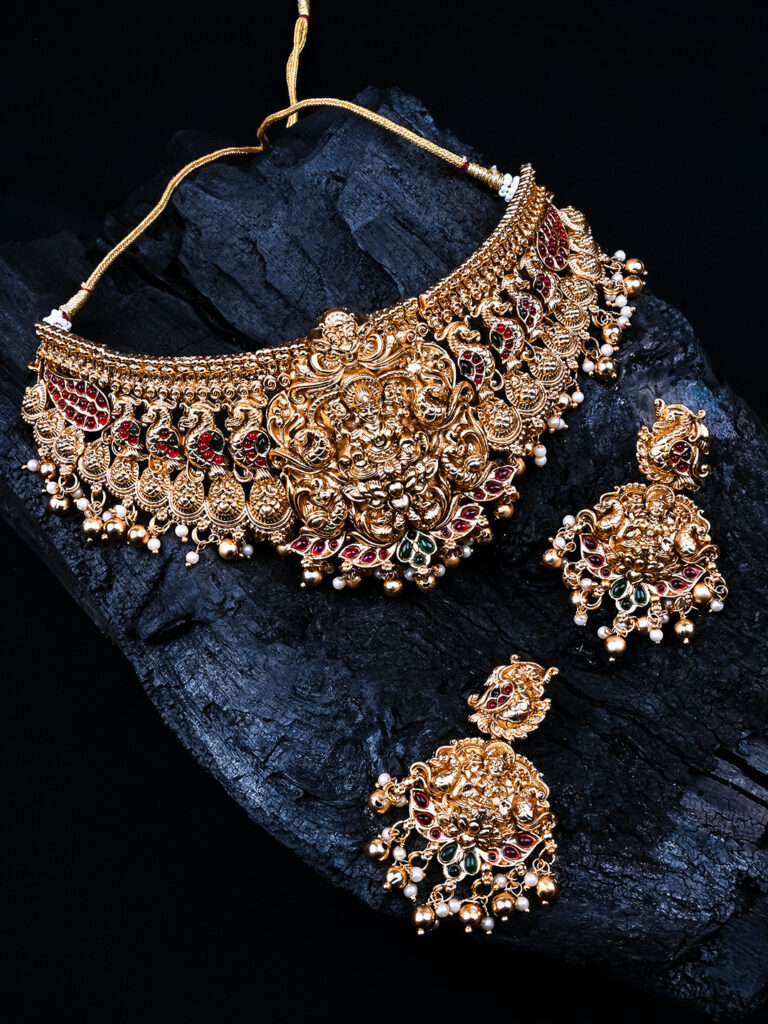
- 30+ inch (rope): Fashion-forward; best for boho, fusion, or statement dressing
Tip: If you’re between lengths, go longer — you can always double a long chain for a layered effect.
Q: Which necklace is best for daily wear?
For everyday use, you want something that is lightweight, durable, and versatile. The best daily-wear necklaces are:
- A plain gold chain (22K or 18K) — it goes with everything and only gets better with age
- A sterling silver pendant necklace — low maintenance and modern
- A thin gold chain with a small diamond or gemstone pendant — elegant but not fragile
Avoid heavy stone-set pieces for daily wear — the settings can loosen with constant movement.
Q: Can I wear gold and silver necklaces together?
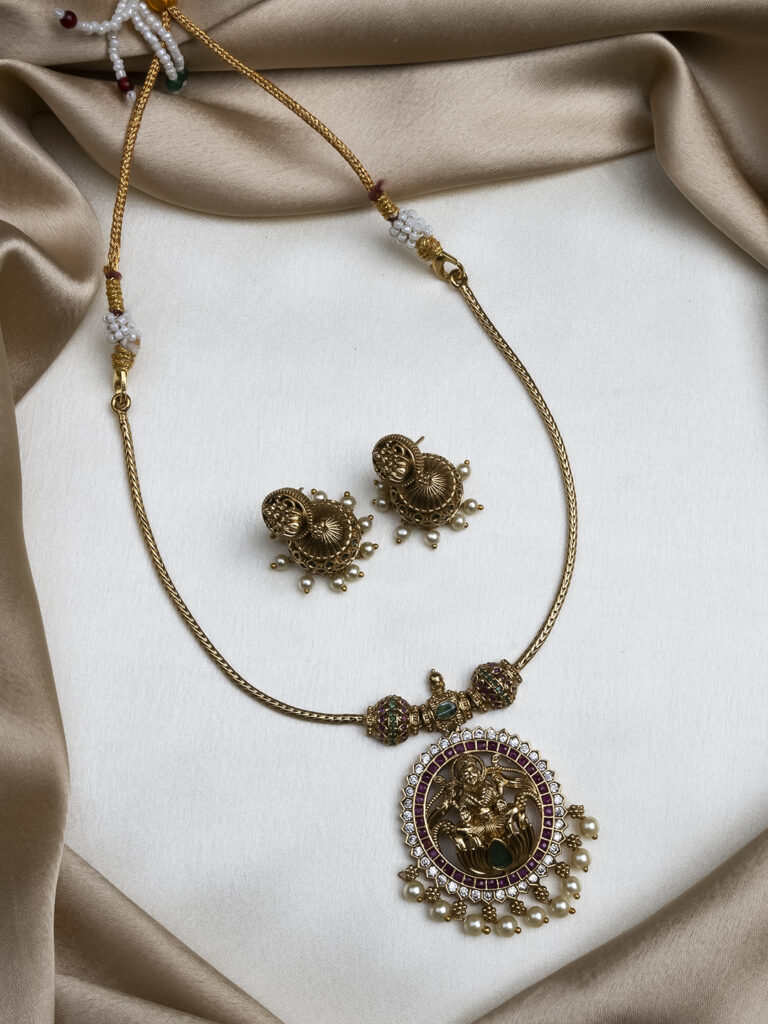
- Yes — and it’s actually a major styling trend right now. The key to mixing metals without looking messy:
- Keep one metal as the ‘dominant’ — let the other play a supporting role
- Use similar finishes — matte gold with brushed silver looks intentional; polished gold with polished silver also works
- Avoid going 50/50 — unequal mixing looks more curated than matched
Buying Questions
Q: How do I know if a necklace is real gold?
Look for the BIS Hallmark — it is India’s official gold quality certification. A hallmarked piece will show:
- Hallmark logo (a triangle with BIS)
- Purity in karats (18K, 22K, 24K) or fineness (750, 916, 999)
- The jeweller’s identification mark
Also: Real gold won’t turn your skin green. If it does, the base metal is reacting — that’s a sign it’s gold-plated or brass, not solid gold.
Q: What is the difference between 18K and 22K gold?
Both are real gold — the difference is purity and durability:
- 22K gold: 91.6% pure gold — richer colour, softer metal, best for traditional and ethnic jewellery
- 18K gold: 75% pure gold — harder and more durable, better for diamond-set or everyday jewellery
- 24K gold: 99.9% pure but too soft for wearable jewellery — used for coins and investment
Rule of thumb: For a necklace you wear occasionally, go 22K. For one you wear daily, choose 18K.
Q: How much does a gold necklace cost in India?
Gold necklace prices depend on weight, purity, making charges, and gemstones. Rough guide:
- Lightweight chain (2–5 grams, 22K): ₹12,000 – ₹35,000
- Medium necklace with pendant (8–12 grams): ₹45,000 – ₹80,000
- Heavy bridal / temple necklace (20–40 grams): ₹1,20,000 and above
- Fashion/imitation necklace (gold-plated): ₹500 – ₹5,000
Making charges (craftsmanship fees) vary by jeweller and can add 8–25% to the gold price. Always ask for a breakup.
Styling Questions
Q. How many necklaces can I layer at once?
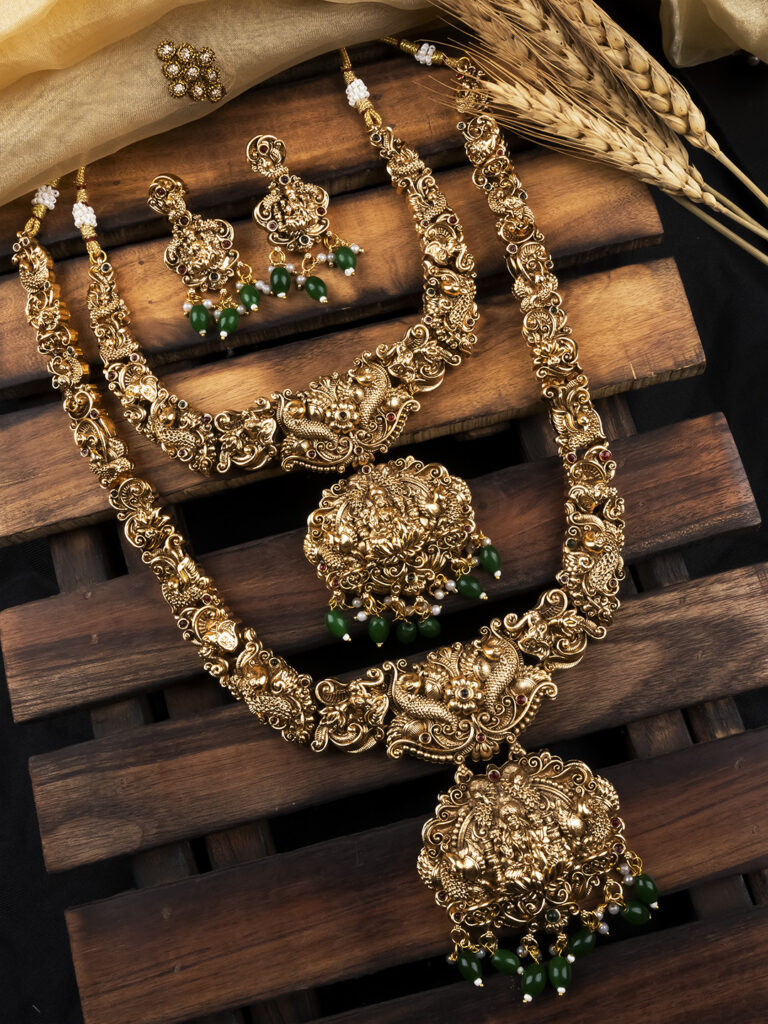
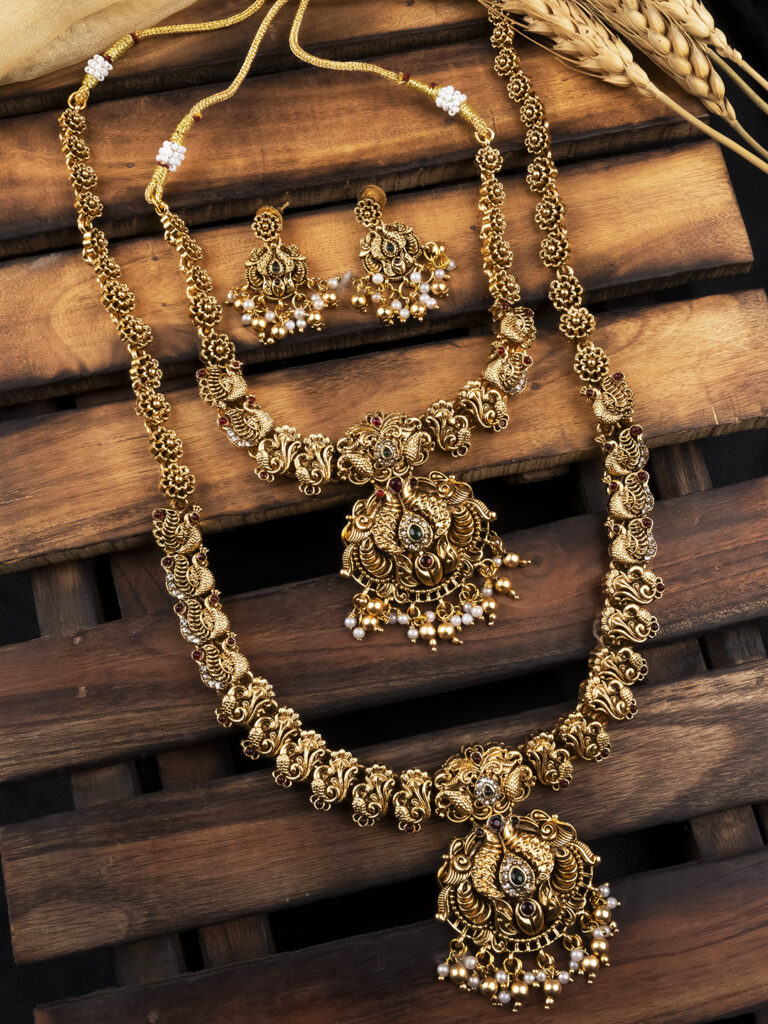
- Two to three necklaces is the sweet spot for most people. The golden rules of layering:
- Vary the lengths by at least 2 inches between each piece
- Mix chain thicknesses — one thin, one medium, one chunky creates dimension
- Keep two of the three necklaces simple — let one be the focal point
- Use a layering clasp (a small connector) to keep chains from tangling
Q: Which necklace to wear with a kurti?
Kurtis are the daily uniform for millions of Indian women — here’s how to nail the necklace pairing:
- Short/straight kurti: A long pendant chain or a subtle choker works well
- Anarkali or flared kurti: A statement Kundan or pearl choker — the drama matches the silhouette
- Boat-neck kurti: A delicate string of pearls or a thin chain with a small pendant
- Printed kurti: Keep the necklace minimal — let the print breathe
Q: Is it okay to sleep with a necklace on?
Technically, no — and here’s why:
- Chains can kink or snap under the pressure of sleep movement
- Clasps and settings can loosen over time
- Delicate stone settings can catch on pillowcase threads and pull loose
- Gold-plated pieces lose their plating faster due to sweat
The exception: Some people never remove their 22K plain gold chain (especially if it’s a religious piece). If you must sleep with it, store it without twisting and check the clasp weekly.
Care & Maintenance Questions
Q: How do I clean a gold necklace at home?
Here’s the safest and most effective DIY method:
- Mix warm water + a few drops of mild dish soap in a bowl
- Soak the necklace for 15–20 minutes
- Gently scrub with a soft-bristle toothbrush, paying attention to clasps and pendant backs
- Rinse under lukewarm water
- Pat dry with a lint-free cloth — never rub
- Leave to air-dry completely before storing
Never use toothpaste (it’s abrasive), baking soda on delicate pieces, or ultrasonic cleaners on stone-set jewellery at home.
Every question you’ve ever had about necklaces — answered. And now that you know exactly what to look for, what to wear it with, and how to care for it, all that’s left is to find the piece that speaks to you. Scroll through our curated necklace collection and you’ll know when you find the one.
Pingback: Temple Jewellery & Antique Gold Plated Jewellery Deals